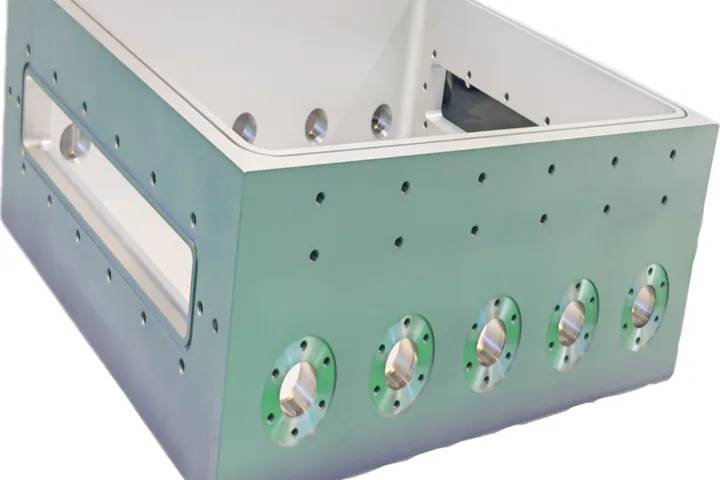
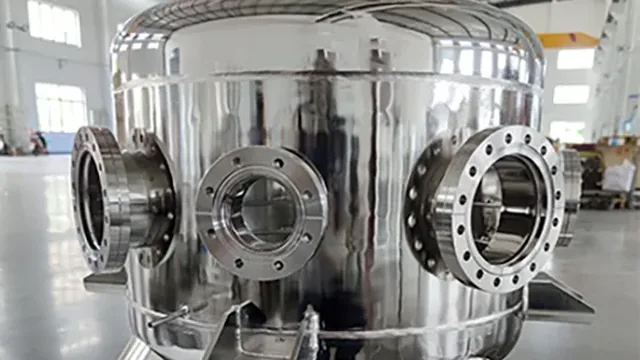
The structural question for a vacuum chamber is not simply whether the wall is thick enough. Three things decide the outcome: stability under external pressure, stiffness of the sealing faces, and whether thermal and cleanliness constraints can be met at the same time. Material selection trades corrosion resistance against weldability and low outgassing.
FAQ
Why is a vacuum chamber designed as an external-pressure vessel?
Once evacuated, atmospheric pressure becomes the dominant load and the governing failure mode is elastic buckling rather than strength. Buckling occurs well below yield, so an external-pressure stability check is required rather than an internal-pressure strength formula with a margin.
How to choose between 304L and 316L?
Use 304L for ordinary vacuum service without chlorides where cost matters; use 316L (2–3% molybdenum) when process gas contains halogens, higher corrosion resistance is needed, or frequent cleaning and sanitisation is expected. Both are low-carbon grades with better intergranular corrosion resistance after welding than the non-L grades. The process medium and customer specification govern.